The Westy Bravo Story
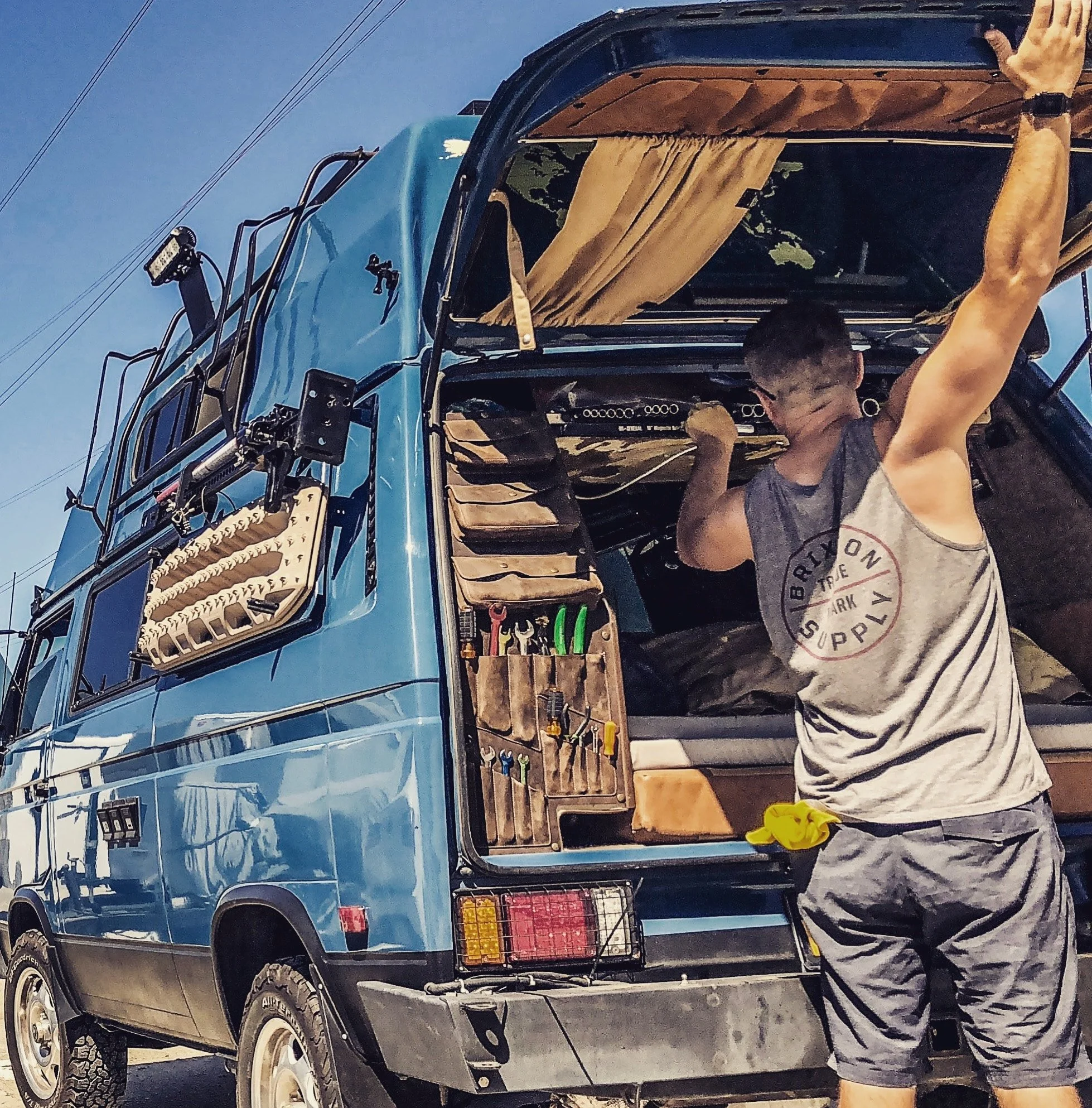
In 2017 I was living out of my 1982 Westy. I had just sold my house in Southern California and working remotely running my business at the time. I wanted to see what it felt like to pare down my possessions to the bare minimum, and see what living as simply as I comfortably could felt like. I left Southern California, driving up to Seattle, then across the country to New York, then Nova Scotia, down to Florida, across the Deep South, and back to Seattle, then again to Southern California. It was hands down one of the best times of my life, and I highly recommend doing something similar if you ever have the opportunity. You learn a lot about yourself and life.
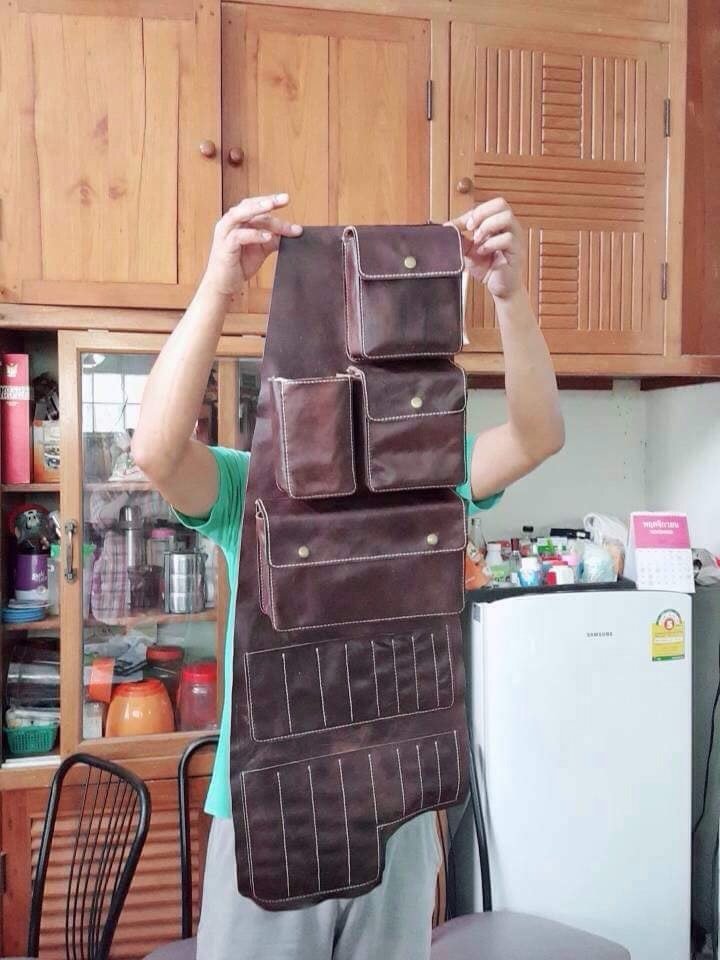
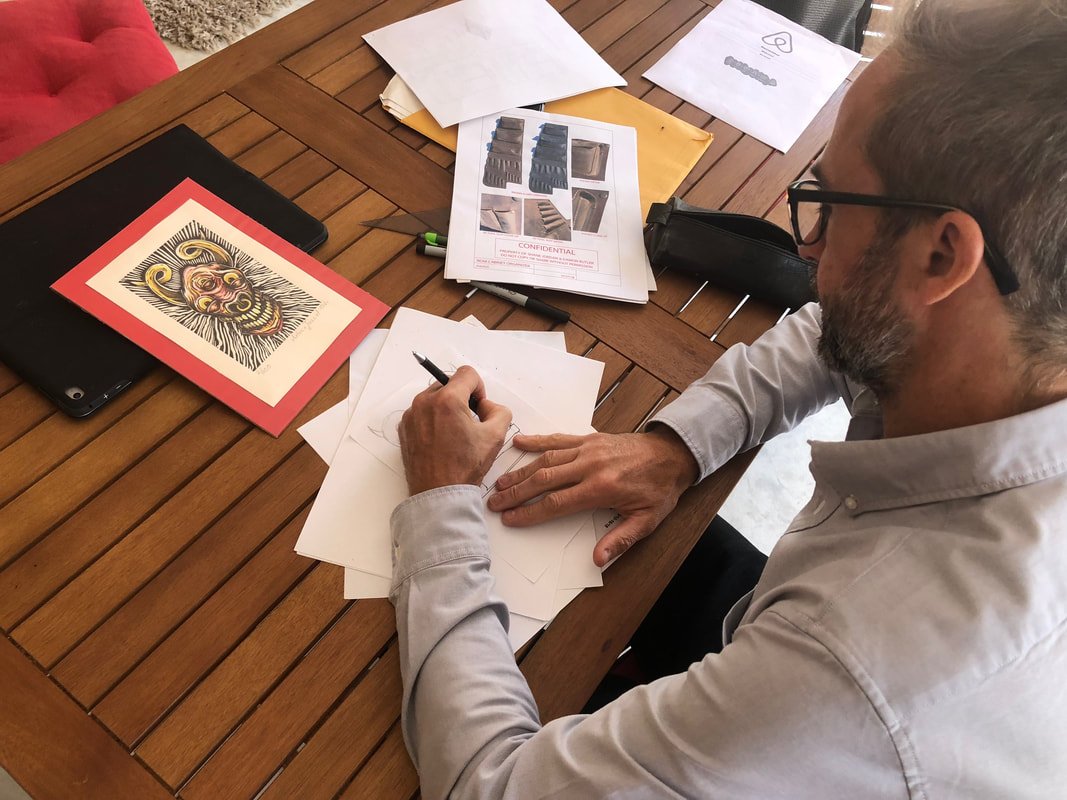
While on this journey, suffice it to say that I learned my Van inside and out really well. When your van is home, every square inch of its small space is precious. I loved sitting in my van, and thinking of all the ways I could improve it. There was one spot in the van that stood out to me as being severely underutilized. The back of the Westy wardrobe cabinet. I started to think about what that space could be used for. Several (very bad) sketches later and I settled on a tool organizer. I could see exactly what I wanted in my head, but I am, sadly, completely lacking in drawing abilities. Even my stick figures are bad. I knew that in order for me to have any chance of getting what was in my head, on to paper, and then produced, I had to find someone that could design.
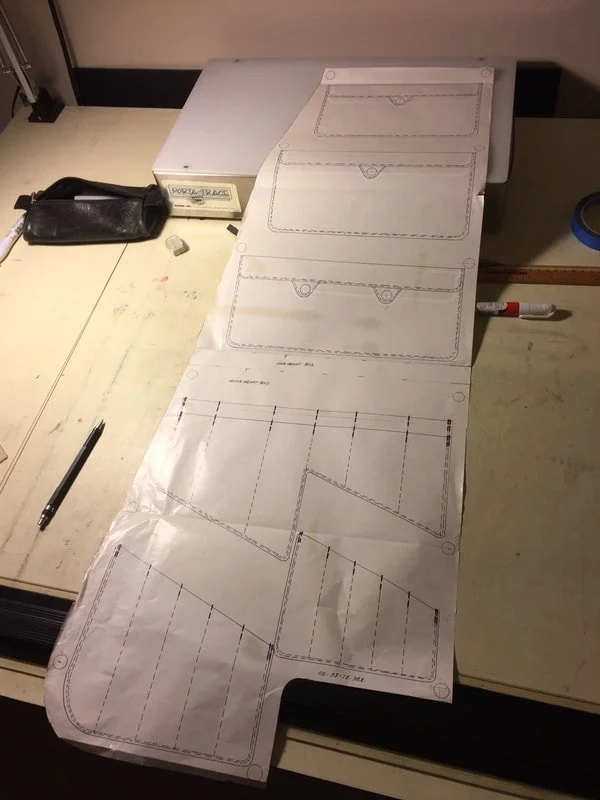
Damon Butler was a fellow Westy enthusiast whom I knew, that just so happened to be a very talented shoe designer. Damon had the skills I needed to bring what was in my head to life. We partnered and together designed the first iteration of what would become the Westy Bravo.
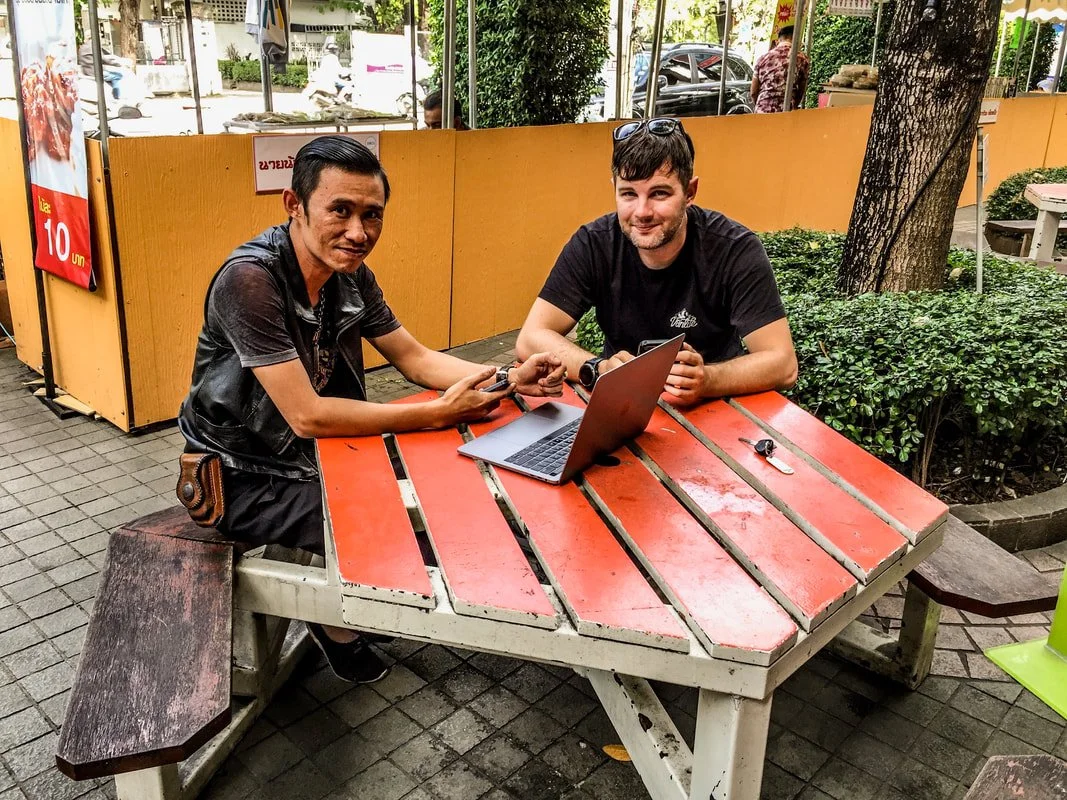
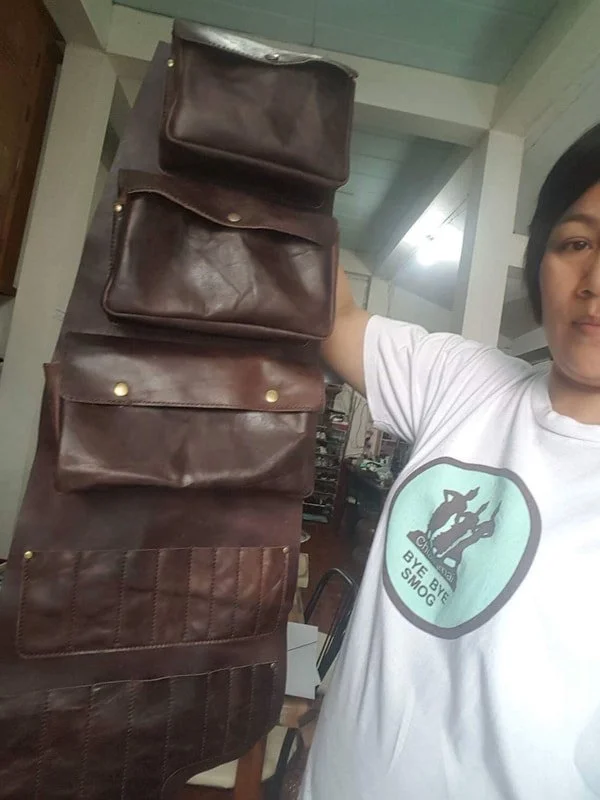
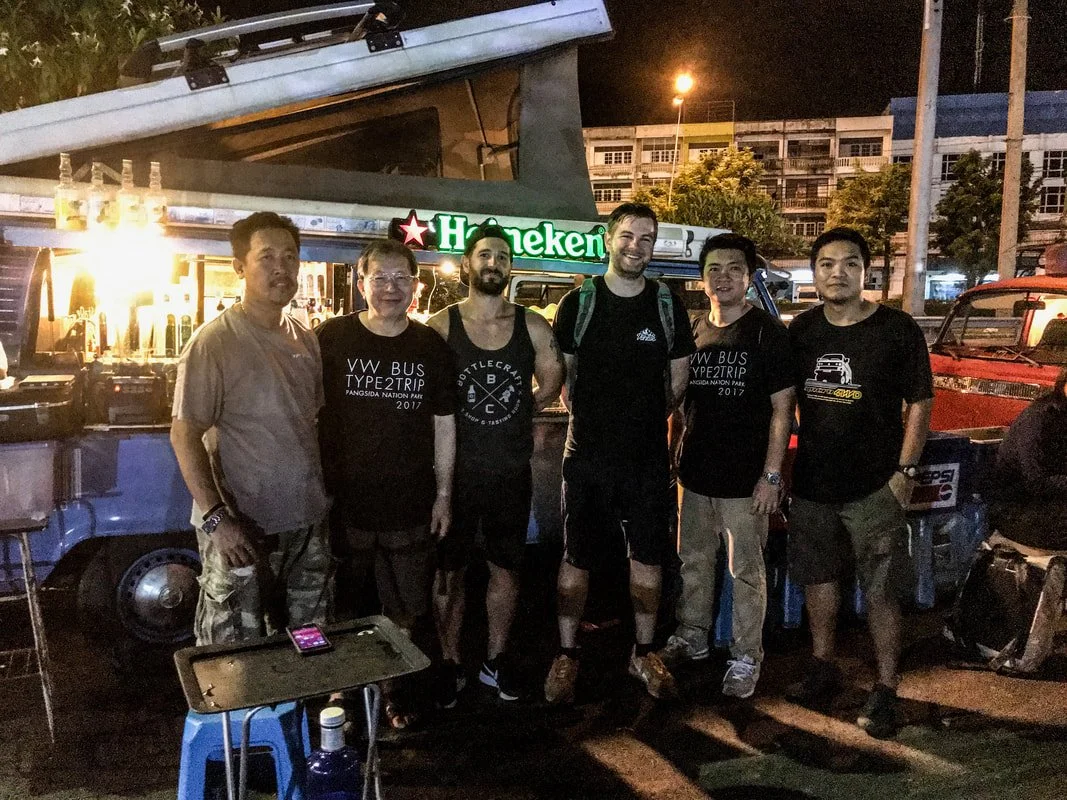
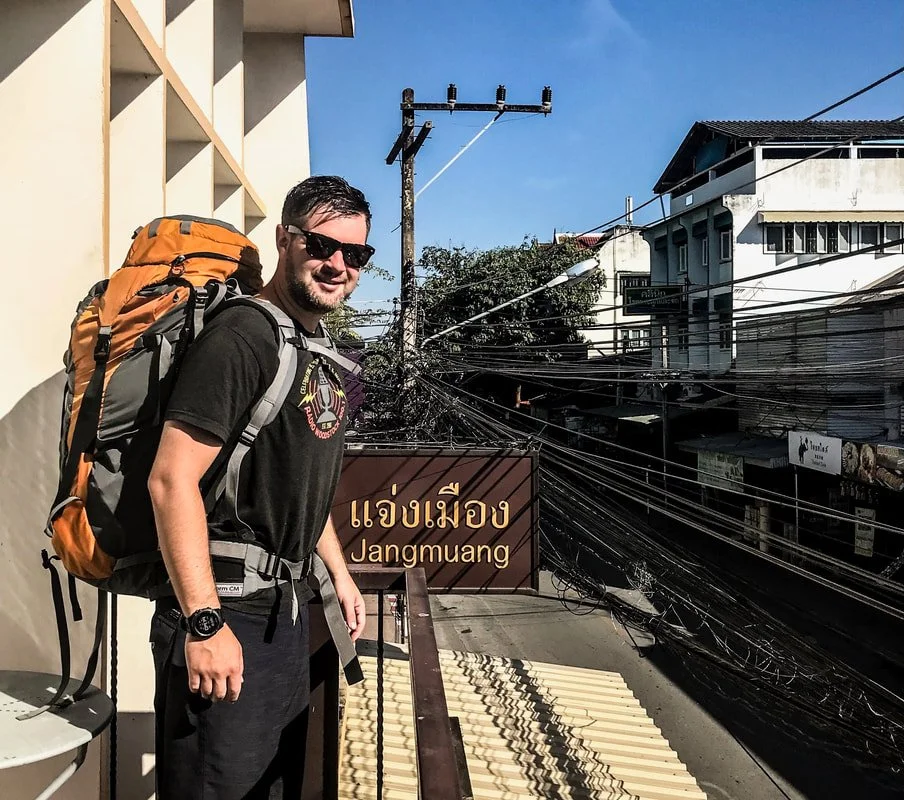
I was traveling around Asia at this time, and had the first physical prototype made in Chang Mai, Thailand. It was…underwhelming. The leather wasn’t great, and the design needed some massaging. The tool slots for example, were flat and not flared out, so the tools wouldn’t fit in nicely like they do now.
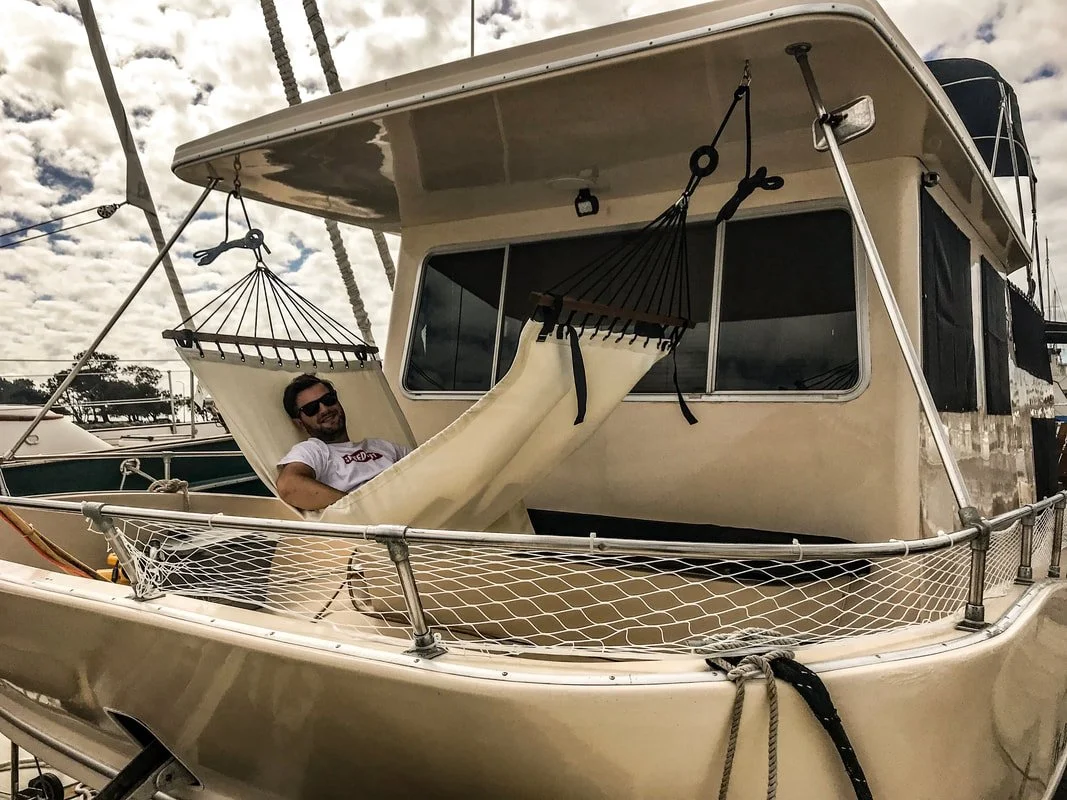
I returned from Thailand and bought a houseboat in San Diego Bay. I knew we were on to something, but didn’t really have any direction as to where to get the best leather, and where to have them made.
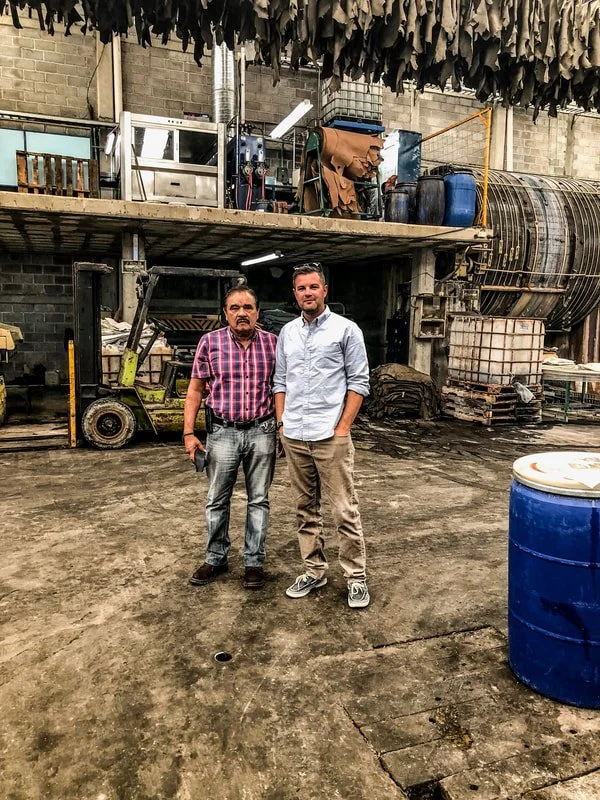
It was then that I grabbed a good buddy of mine, and we decided to drive my Van together down the Baja peninsula. I had never been past Ensenada, the rest of the Baja peninsula dark and unrevealed like in the unexplored parts of the map in a PC strategy game. For three weeks we adventured down to the tip of Baja and back, giving me my first real taste of Mexico. I loved it! But most important to this story, I noticed the popularity of leather goods there. But where was the leather coming from, and who was making it? My research led me to the central Mexican state of Guanajuato which I learned is the leather capital of Mexico. I literally banged on doors in Tijuana, trying to explain what I was looking to have made. Finally, a shop owner called a friend, who called a cousin, whose uncle knew a guy in Guanajuato who had a leather tannery. Next thing I knew I was on a plane, alone, going to meet some leather hombres in central Mexico. I was picked up at the airport by a very serious Ranchero dressed in cowboy boots, jeans, a button down shirt and a cowboy hat. Over the next couple of days, he gave me a crash course in leather tanning. I picked through stacks of hides, finally settling on a type of leather he called “Crazy Horse”. Despite its name, it’s not made from horses. Crazy horse leathers are produced by applying a specific kind of wax to a full grain cowhide leather surface which has been buffed and smoothed out. We talked price per meter, and my crash course in leather making complete, I flew back home. I finally had our leather. And boy was it beautiful!
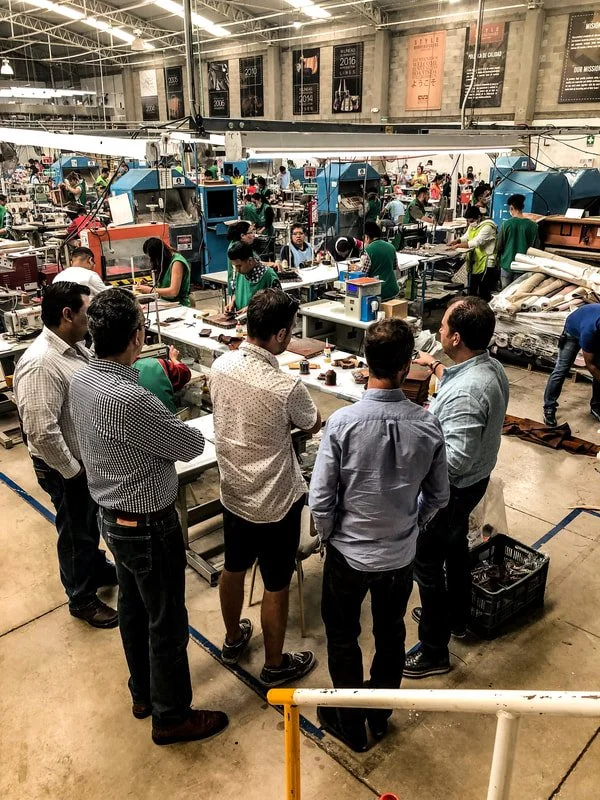
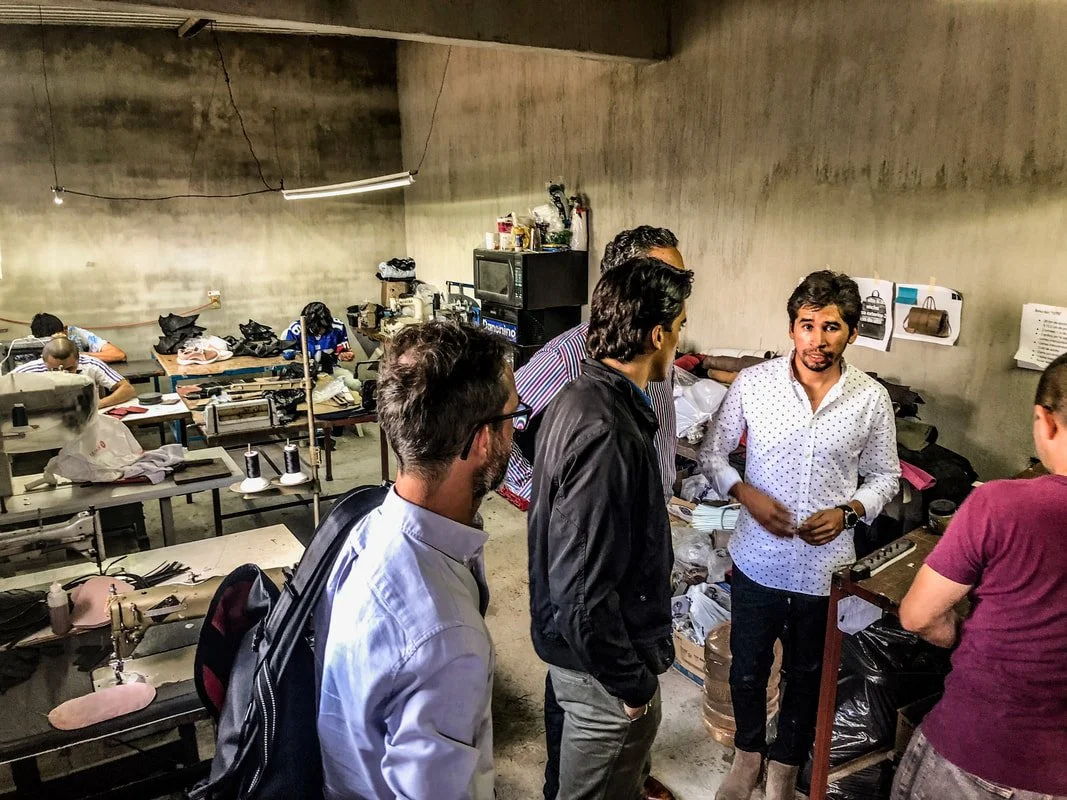
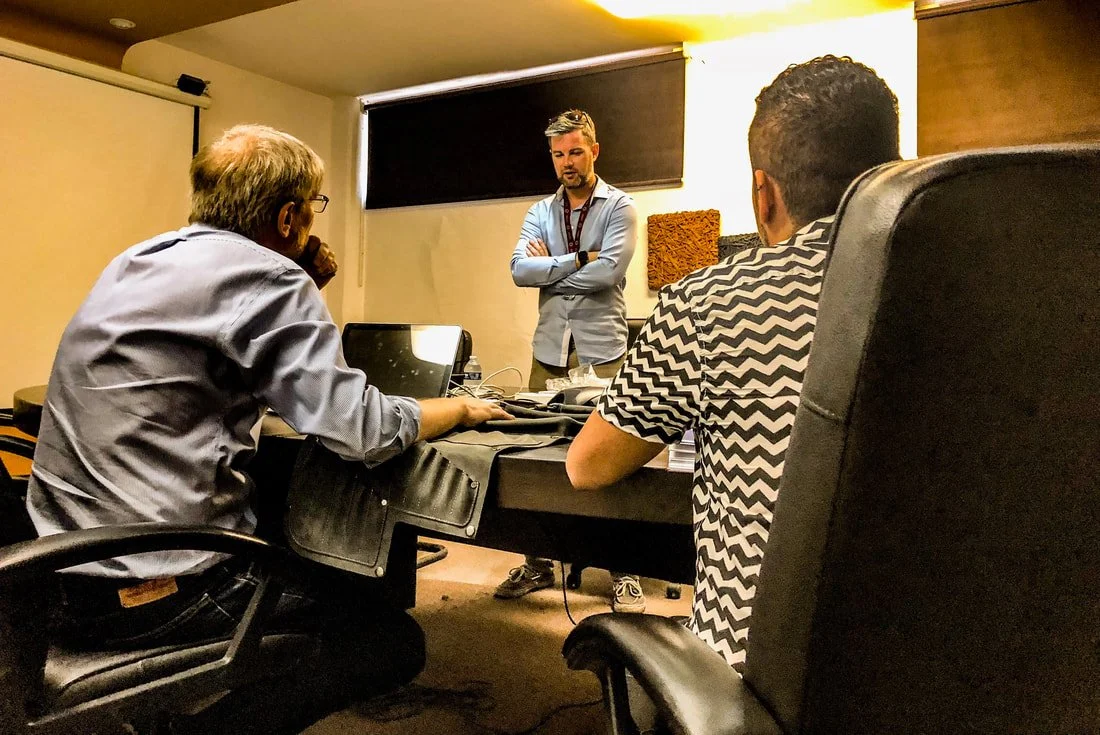
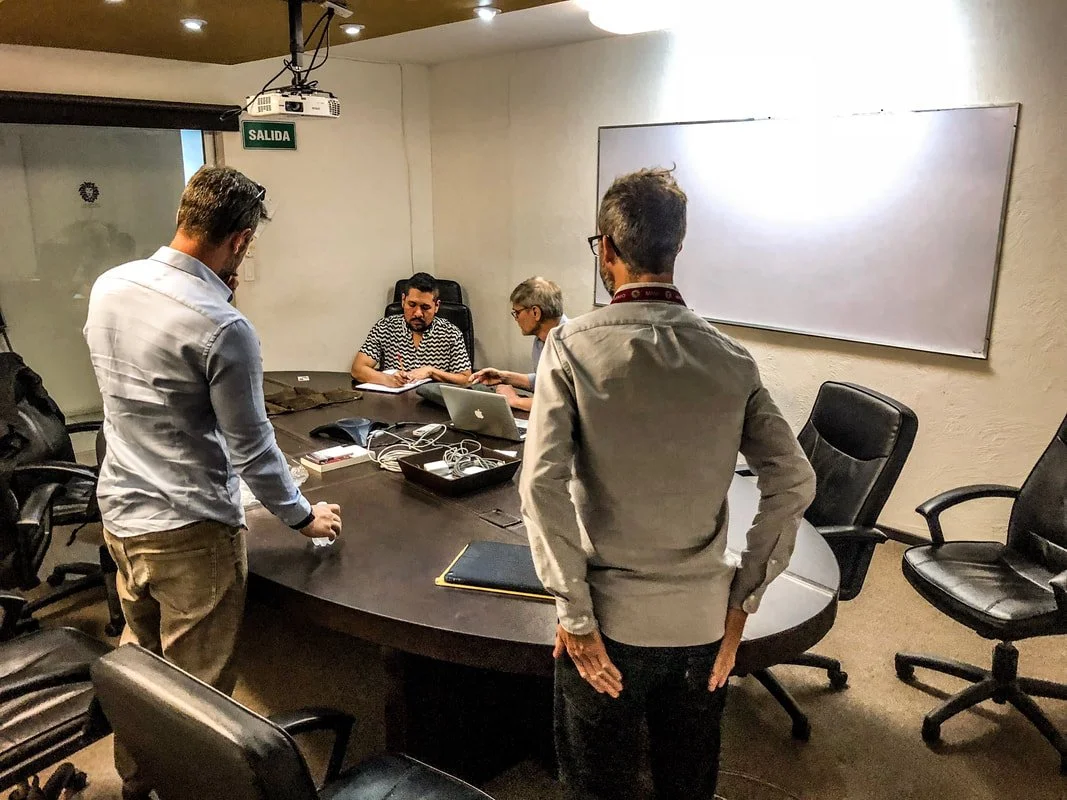
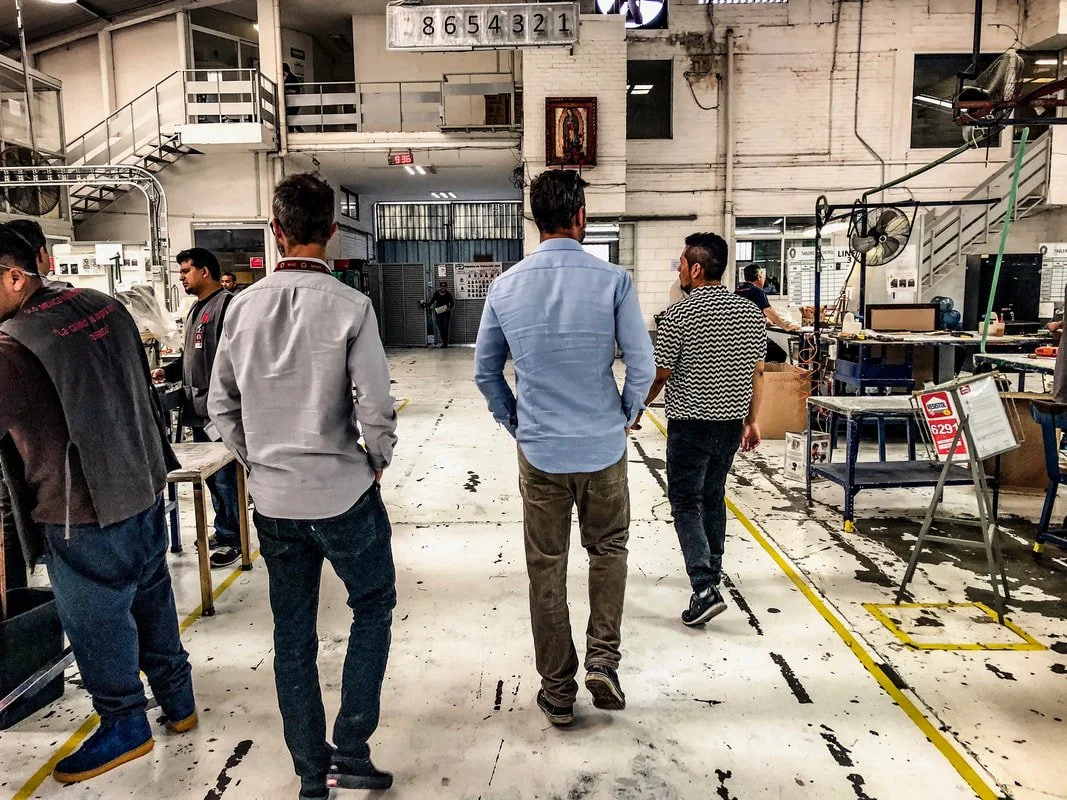
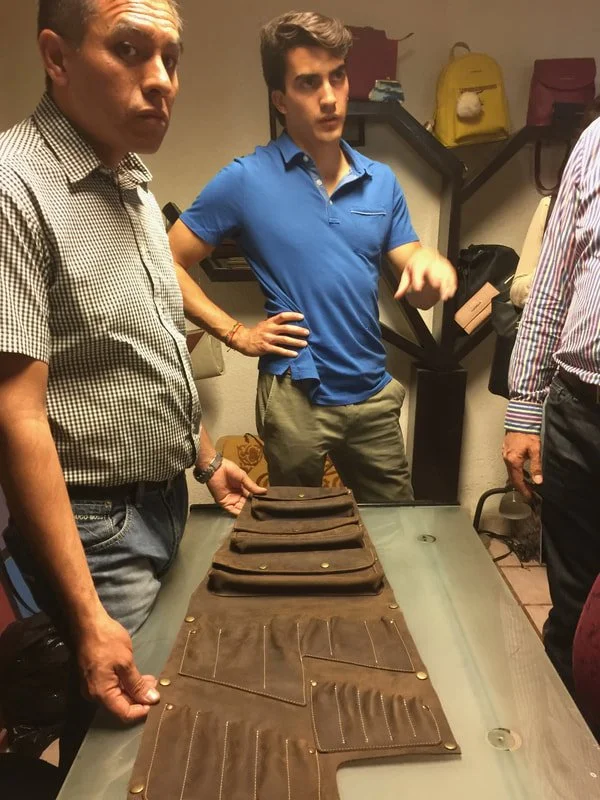
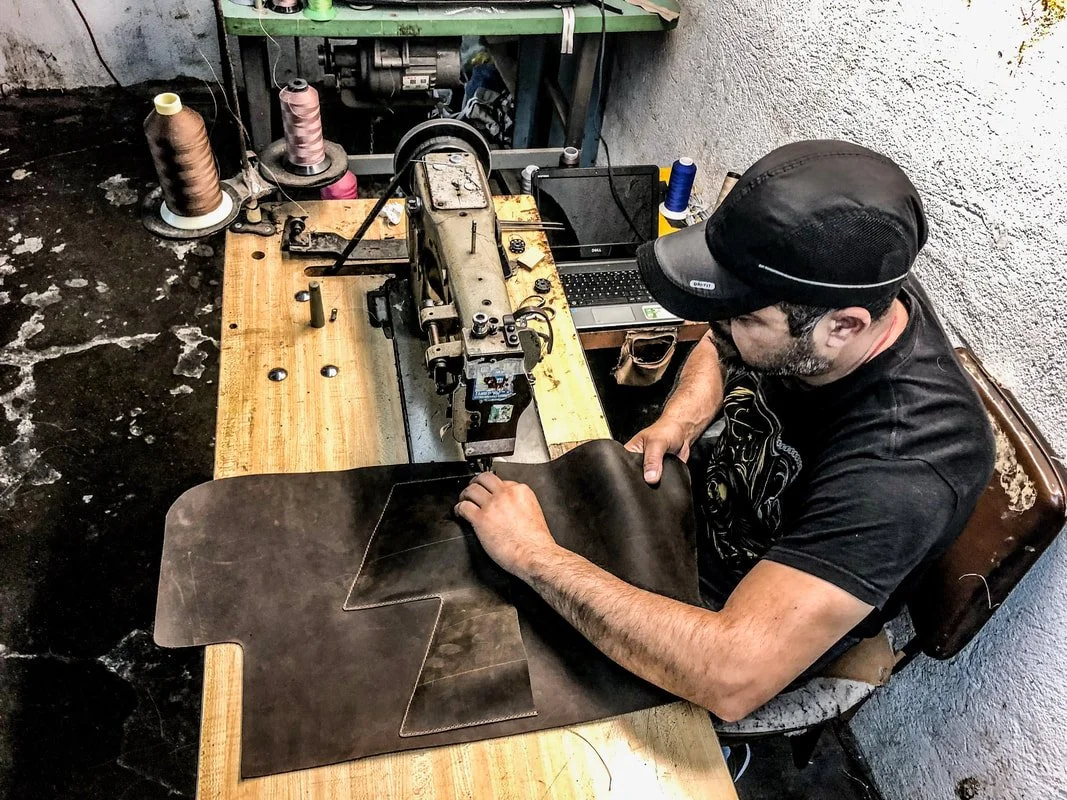
I had the leather, but nobody to cut it, sew it together, and hammer in the button snaps. Again I returned to Central Mexico. But this time, I was on my own. I wandered around again banging on doors, trying to find a little leather workshop who might be interested in producing (in small quantities mind you) my very weird product, for a vehicle that was never sold in Mexico. I toured dozens of workshops. This one wasn’t clean. This one wasn’t organized. This one just felt…off. Finally, I found a workshop that was clean, made beautiful products, was well run and organized, and perhaps most importantly they took great pride in their treatment of their workers.
We had our design, our leather, and our workshop to put it all together. But would anyone buy this thing?
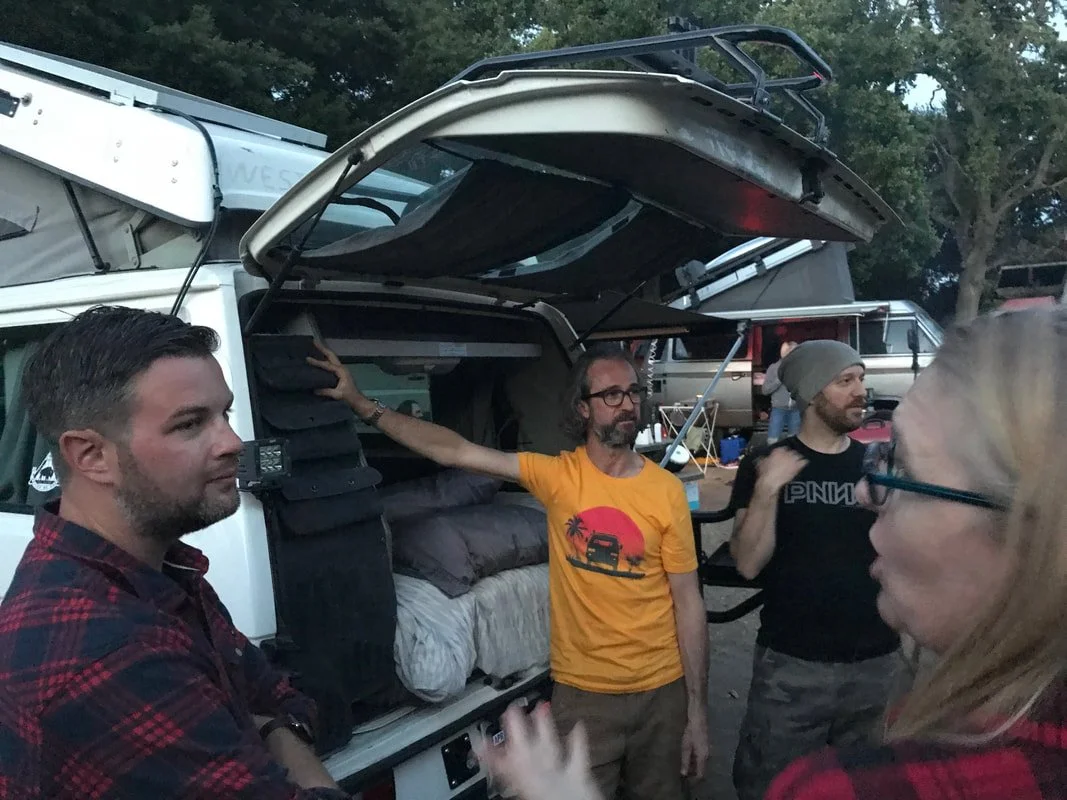
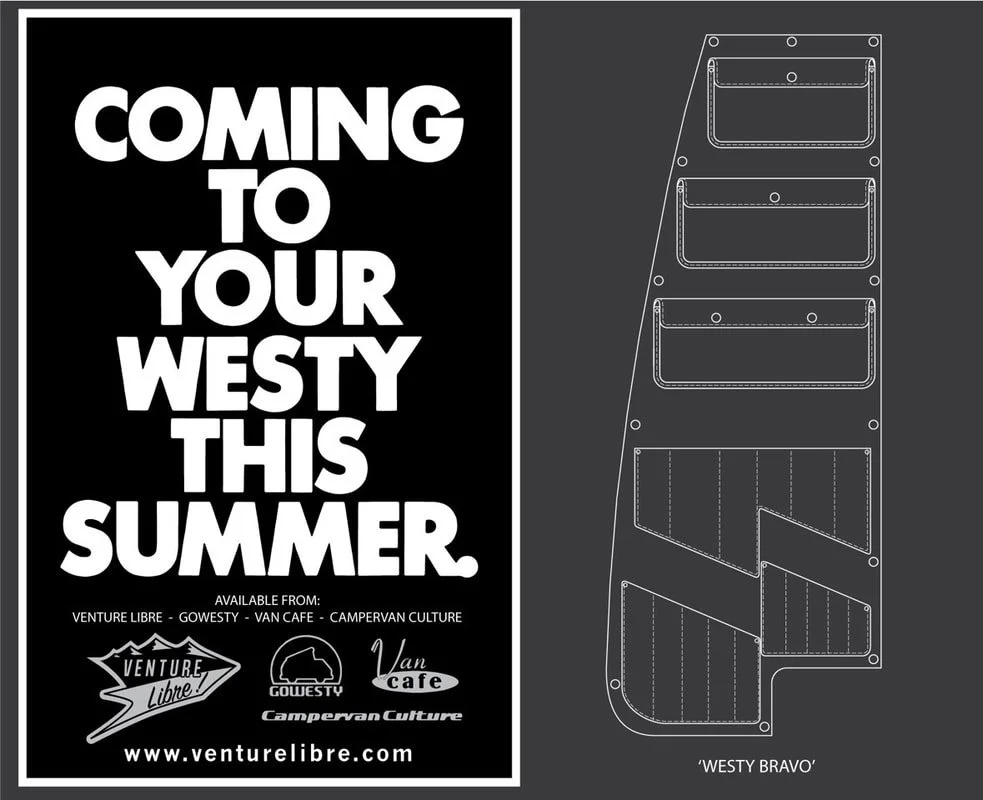
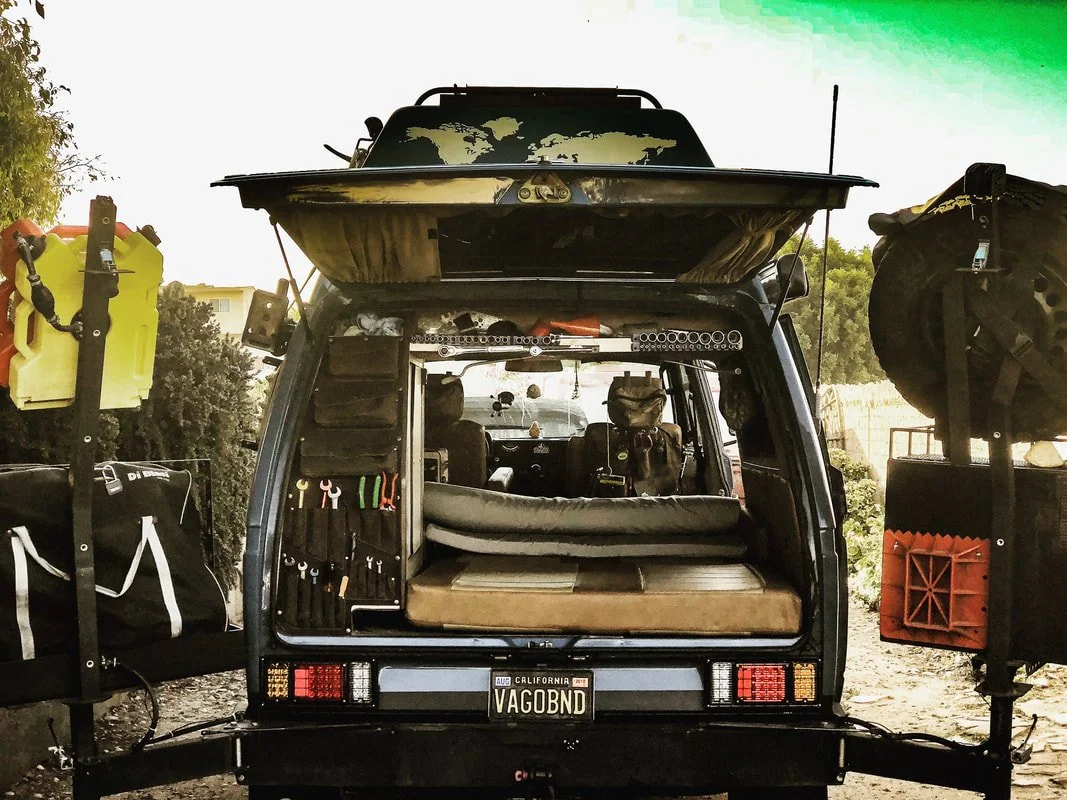
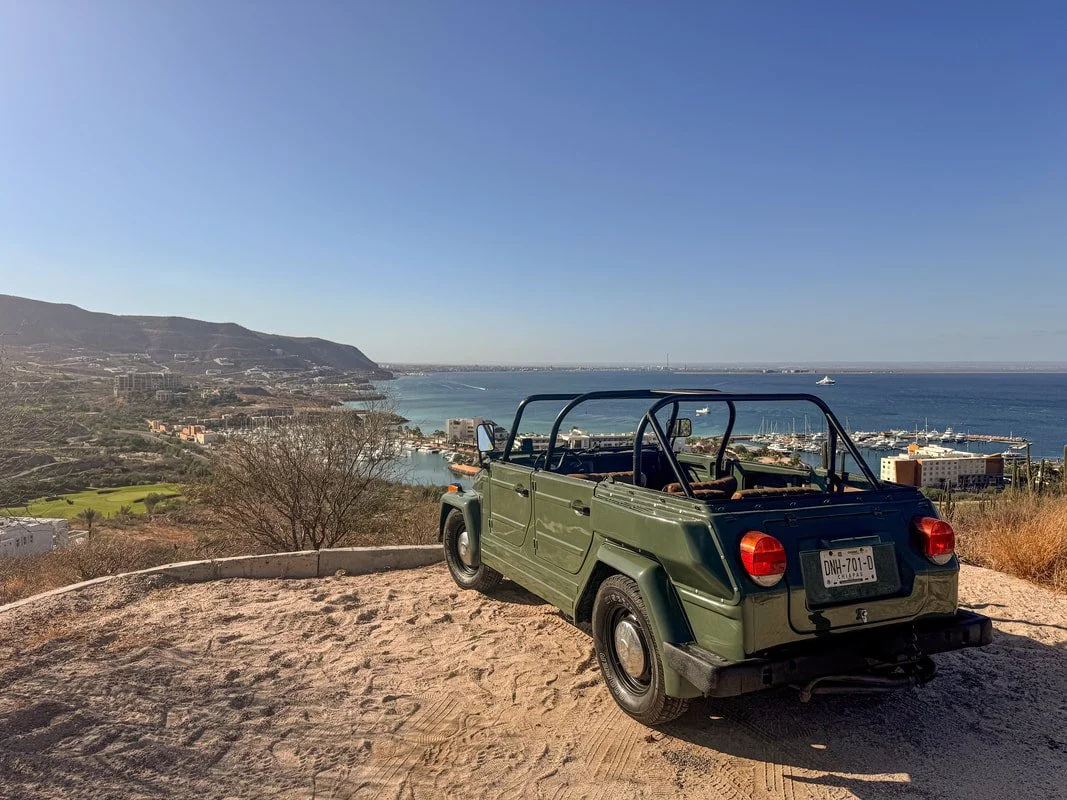
It was Syncrofest 2018 when, with two finished prototypes, one in each of our vans, we showed off the Westy Bravo for the first time. To our great relief, the Westy Bravo was an immediate sensation. At Syncrofest we locked down several vendors to distribute the first Westy Bravos, and we were off to the races. I won best 2wd Van that year, a huge honor, and successfully launched my first product. Talk about a good weekend!
Since then, we have sold over 1000 Westy Bravo’s, and it has remained our best selling product since. I traveled to new and even more exotic places in Oaxaca and Guatemala, where we partnered with local indigenous who taught me how to dye wool using only local plants and even insects, and how to weave on a loom. We made colorful rugs, and Seat Ponchos, and leather storage for other parts of our Vans. We made stuff that we wanted, and enough of you liked our stuff, that we sold a good bit of stuff to many of you as well.
In 2024, after having partnered together for 7 years, I purchased the business from Damon. Damon was a fantastic partner and I quite simply couldn’t have done any of this without him. He was, and remains, a great friend. We had some really fun adventures together making a really cool lineup of Van products, missing the mark on a few, but on the whole contributing something great for the Westfalia community. Ive learned a tremendous amount from Damon. Damon really changed my approach to designing products. He taught me early on not to compromise. Don’t compromise on the leather, don’t compromise on the construction, and don’t compromise on great design. Build the best product you can, not the cheapest. That there are people who want the very best, and people who want the least expensive. You can’t compete with China and Amazon on price. And it’s ok if your products aren’t for everyone. Make the best products you possibly can. Period. I wish I could share Damons technical drawings of our products, because they are works of art. Thank you Damon, for everything.
Following Damons departure we plan to refocus our offerings and slowly start to update and relaunch things. We look forward to continue to offer you the finest, hand crafted artisan products well into the future. We greatly appreciate everyone’s support. Thank you!
 |