LiveTheVanLife · A better plan for your next chapter
Restoring a Vanagon in Mexico vs. the United States:
Costs and Considerations
More room in the budget for the work your van deserves. Why a specialist restoration in La Paz can be a compelling alternative to restoring at home—and how to make the numbers work for your project.
By LiveTheVanLife Restorations · October 22, 2026 · Prices and source guidance checked October 22, 2026
If you love your Vanagon but have struggled to justify the price of bringing it back properly, Mexico deserves a serious place on your shortlist. A restoration is full of jobs that take patient, skilled hands: removing tired fittings, repairing metal, refining panels, rebuilding interiors, and putting everything back together. Where labor represents a large share of the bill, a lower labor cost can change what is possible.
At LiveTheVanLife in La Paz, Baja California Sur, that is the opportunity we offer: a dedicated Volkswagen workshop where paint and bodywork, mechanical care, and upholstery can be planned together. For the right van and owner, the benefit is more than spending less. It is having room to address more of the van, preserve its character, and return to the road with a project you could realistically afford to complete.
We are a restoration business in Mexico, so our perspective is clear. We believe in the value of bringing these vans here. The useful comparison, however, is between two written scopes for your actual van—not two countries’ reputations or an eye-catching percentage.
01 / Why the location matters
Mexico’s advantage grows with the amount of hands-on work.
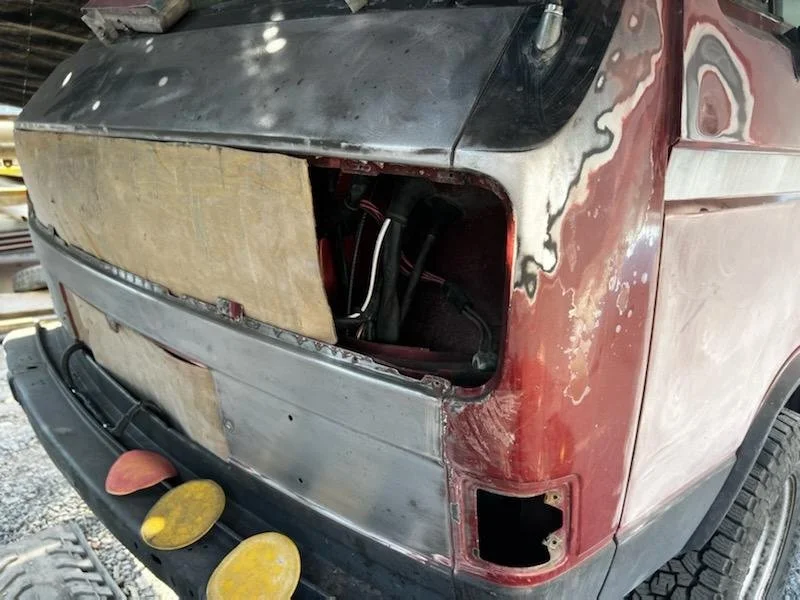
Buying a replacement part is one thing. Carefully removing an old window, assessing its opening, repairing the surrounding metal, preparing it for paint, and reinstalling the glass is another. Much of the value in restoration lives in that second category.
That is why Mexico is particularly attractive for a tired but much-loved Vanagon needing substantial bodywork, a repaint, or an interior refresh. A labor advantage can make it easier to choose the more complete repair, include neglected details, or bring exterior and interior work into the same project. Imported components still have their own costs; the opportunity is primarily in the work around them.
Put more of the budget into the van
Use the potential saving to address metalwork, seals, upholstery, or other agreed priorities. A lower total is useful; a more complete van can be even more useful.
Make a coordinated plan
Plan paint, mechanical needs, and interiors with one workshop. Discuss related work while the vehicle is already apart, with clear decisions about what belongs in this restoration.
Location alone does not establish workmanship. The advantage comes from choosing a capable specialist, agreeing on the work, and using the cost difference thoughtfully. An experienced U.S. shop can do excellent work too. Mexico gives you another way to reach the result you want.
02 / Understanding the investment
Start with a real price. Then compare the whole project.
LiveTheVanLife · Published starting price
From US$9,995
Basic exterior paint and bodywork, retaining the original color. Our published starting package includes exterior disassembly and an exterior refinish using PPG paint systems. Vehicle condition, repair scope, replacement parts, and separately agreed services affect the final amount.
Checked October 22, 2026. This is a starting price, not an all-inclusive mechanical, interior, and body restoration. Use your written estimate for the actual scope and price. See the current paint and bodywork guide →
Why U.S. restoration bills can climb quickly
Hundreds of labor hours make the hourly rate consequential. Our paint and bodywork guide describes projects involving around 400–500 labor hours, with more for extensive repairs. Those are planning descriptions of our work, not a standardized hours allowance that every U.S. shop would use.
For general U.S. context, Hillbank’s classic-car restoration overview discusses roughly US$125 per hour and a broad US$85–300 range. That is a general industry guide, not a surveyed Vanagon average or a quote for your van. At an illustrative US$125 per hour, 400 hours alone equals US$50,000 in labor. This arithmetic explains the sensitivity to labor cost; it does not establish the U.S. price of our starting package.
A sensible question is: How much work can I commission, at the standard I want, within the total budget I have? Mexico can be a strong answer when the project contains enough skilled labor to outweigh the cost of getting here.
What belongs in both estimates?
| Cost or decision | Restoring in the United States | Restoring in Mexico |
|---|---|---|
| Bodywork and preparation | Get the actual shop’s scope and rate or project price. | The principal opportunity for savings on a substantial project. Confirm repair depth and inclusions. |
| Paint and materials | Specify the system, surfaces, and finish. | Specify the same details. Lower labor cost does not make quality paint free. |
| Seals, trim and mechanical parts | Include parts, supplier freight, and shop charges. | Include delivered cost, import charges, handling, and shop margin. Some parts cost more to obtain here. |
| Delivery and collection | Include domestic transport or trips if the specialist is not nearby. | Include the full route, border arrangements, transport, flights, and local transfers. |
| Time and aftercare | Confirm scheduling, storage, and warranty arrangements. | Allow flexibility, budget for collection, and understand that warranty work normally takes place in La Paz. |
| Unknowns and additions | Keep a reserve for concealed damage and changes. | Keep the same discipline. Ask for approval checkpoints and explain any firm spending limit. |
Keep currencies visible. Our exterior starting price is in U.S. dollars. Transport and some local expenses may be quoted in Mexican pesos. Convert them using the rate and fees you will actually pay when comparing totals. Ask whether taxes are included in each quote.
We do not publish a universal “save 50%” promise because condition, scope, location, transport, and parts change the result. A larger labor-intensive project has more room to absorb travel costs than a small isolated repair. Your two complete totals tell the useful story.
03 / What you are paying for
The value is in the work beneath the finish.
A beautiful Vanagon starts long before the final coat. The labor advantage is most valuable when it supports the necessary preparation and repair. Ask about disassembly, window openings, seams, previous repairs, and how newly exposed corrosion will be handled. Ask what you will be shown before additional work is approved.
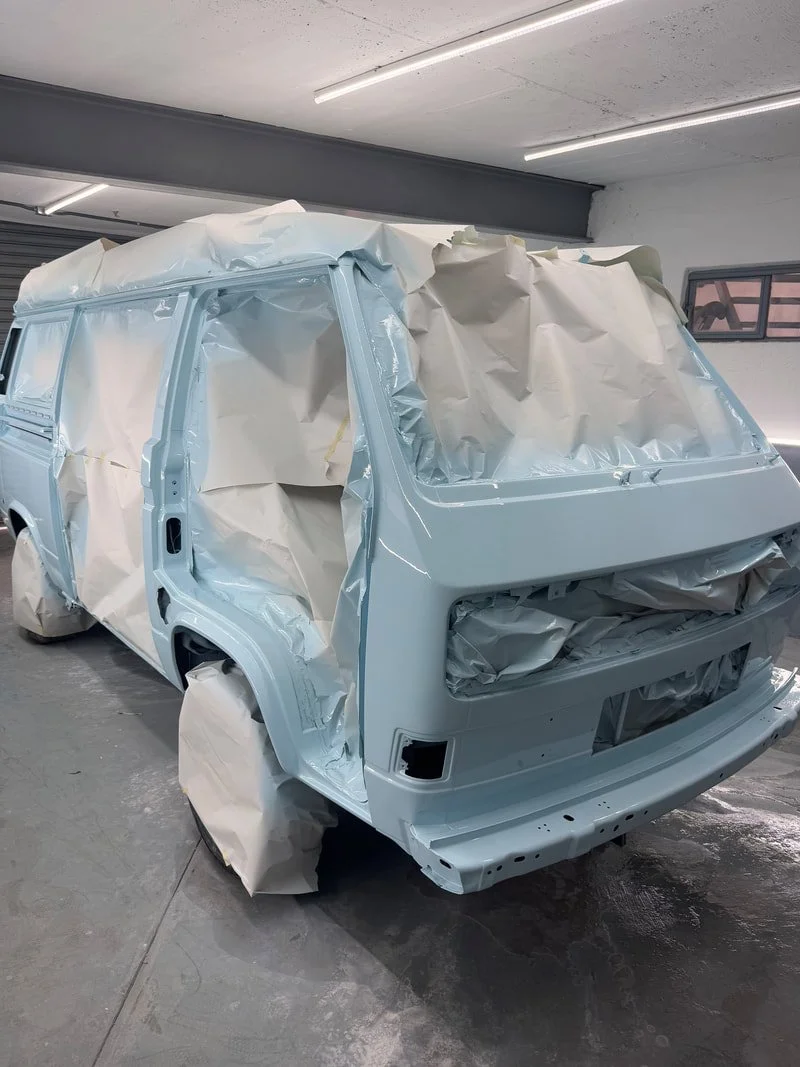
At our workshop, the published process includes removing exterior fittings, glass, and doors as appropriate; assessing the exposed areas; repairing metal and dents within scope; preparing and priming; painting; and reassembly. Not every van needs every surface stripped to bare metal. The condition of existing coatings and the selected paint system determine the preparation.
A better-looking van can feel better inside, too
Seats, panels, fabrics, and small interior details shape everyday life in a camper. Upholstery involves fitting, cutting, sewing, and finishing—another area where skilled labor matters. Coordinating it with bodywork lets you discuss the whole van’s character before buying materials or committing to a color.
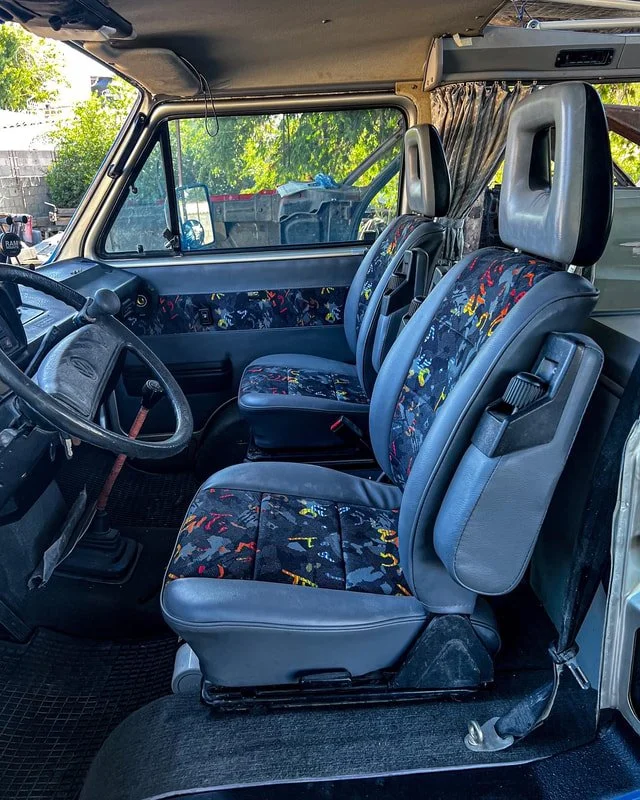
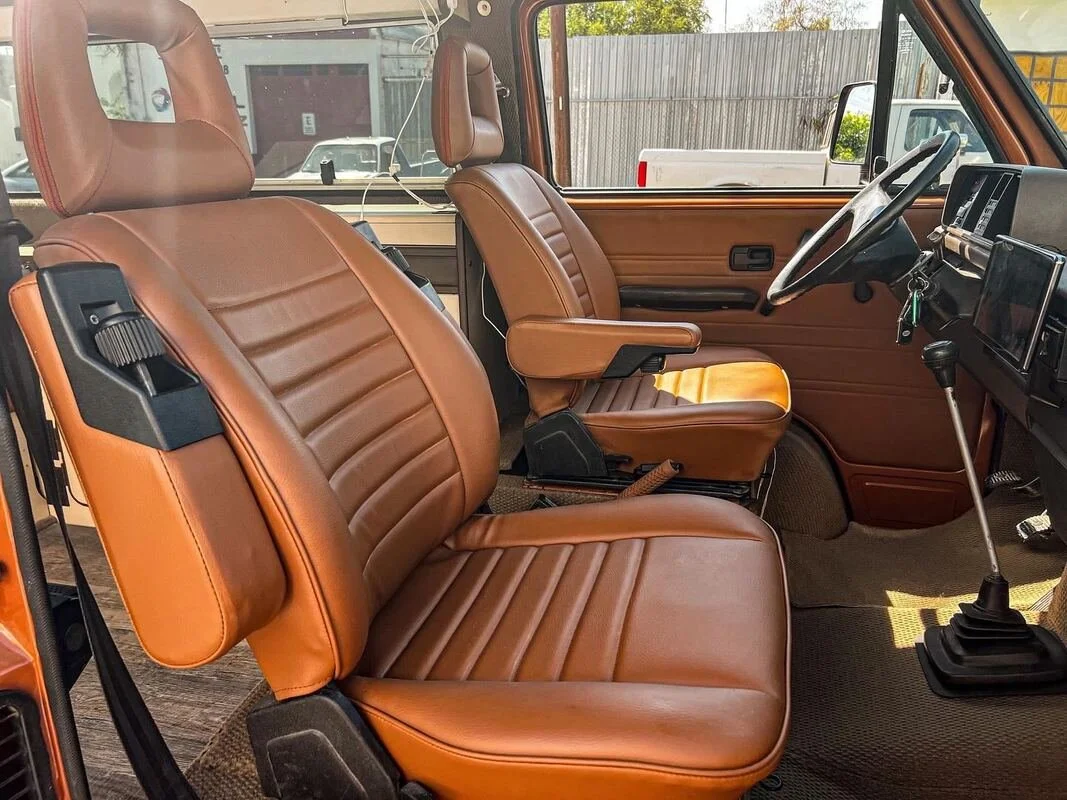
Mechanical work deserves its own written scope. Brakes, steering, fuel and cooling systems, suspension, and drivetrain condition matter as much as appearance. Our workshop offers mechanical care alongside restoration; a paint price does not include renewing every system. We do not currently offer engine conversions. Explore our mechanical services and upholstery options when building your priorities.
Specialist experience, direct communication
With LiveTheVanLife you communicate directly with Shane, the owner, in English. Use photographs and brief messages for coordination, and keep detailed work requests, parts lists, and approvals together in writing. The best progress conversation covers what is complete, what comes next, and what decisions or parts are still needed.
04 / Real vans, real possibilities
See what keeping the van can look like.
These photographs come from our existing restoration and customer galleries. They show individual builds with different scopes and budgets; they do not imply that everything pictured is included in the starting package.
Penny · 1982 Vanagon Westfalia
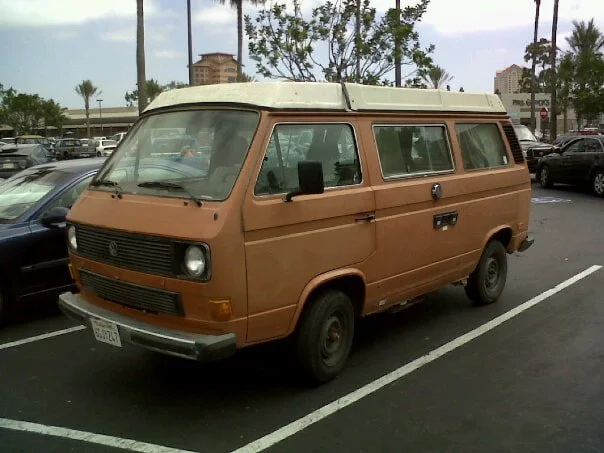
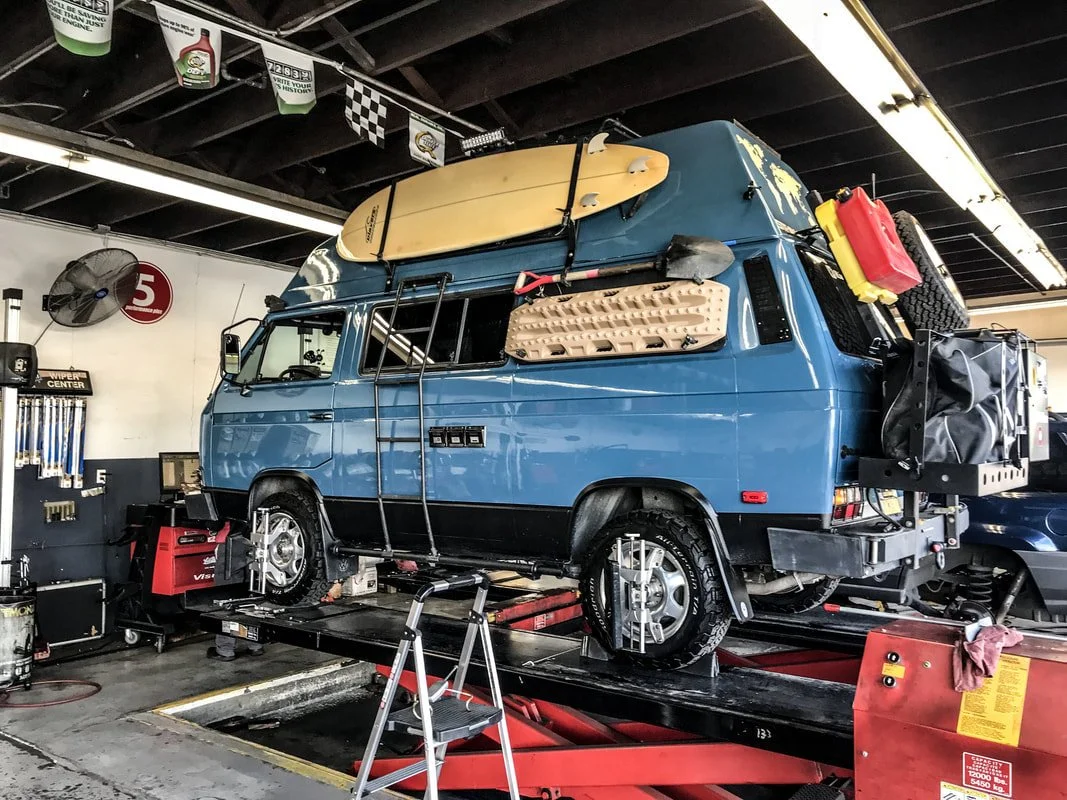
A familiar camper can be the foundation for a much more personal traveling companion. Explore Penny’s full build story →
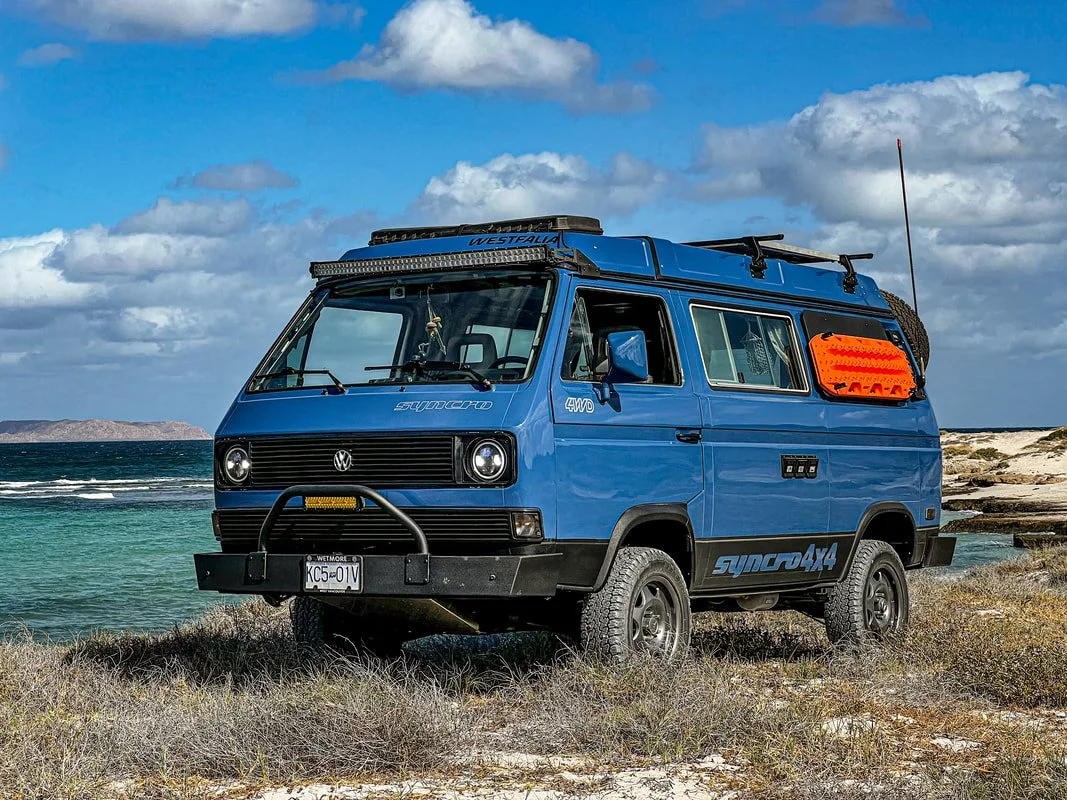
A 1991 Westfalia Syncro · another chapter
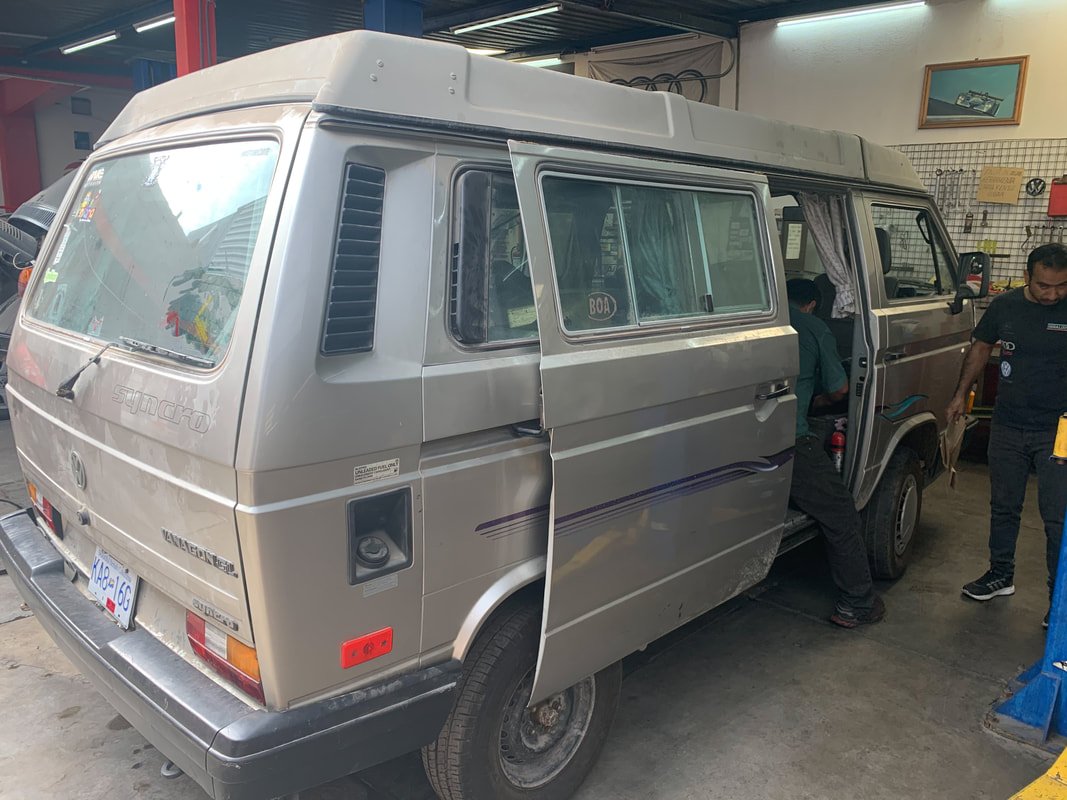
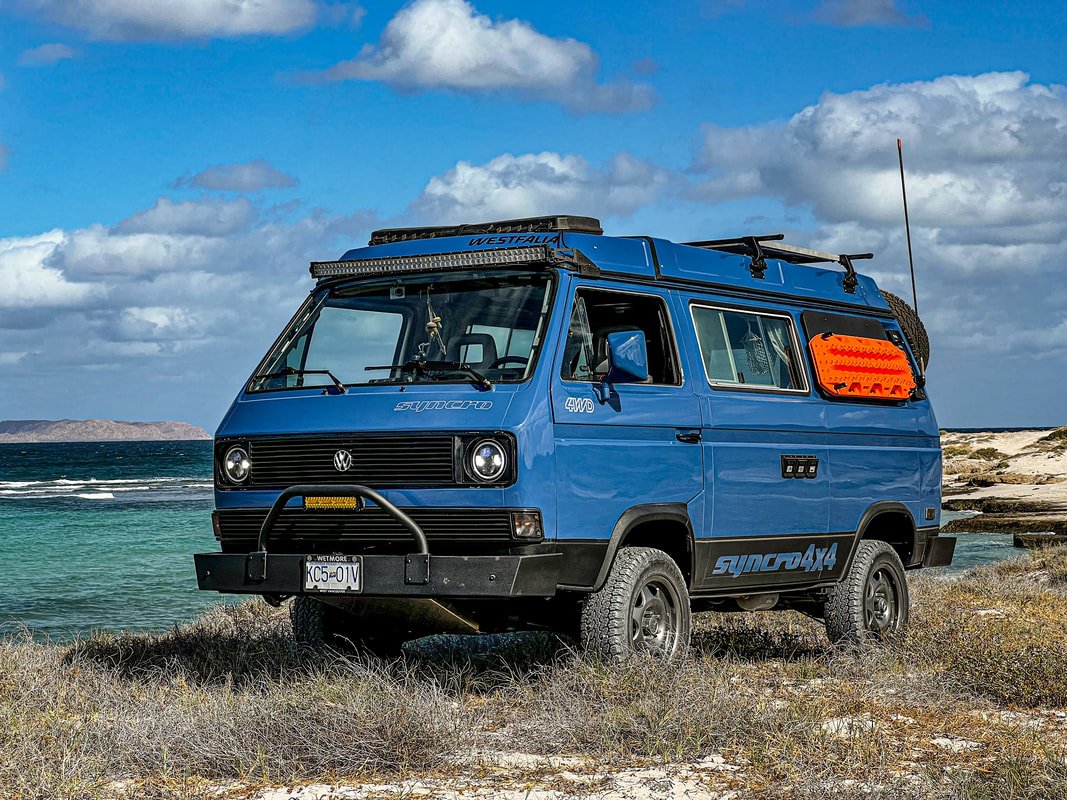
For an owner who intends to keep and use a van, the case for restoration includes the trips, memories, and enjoyment it can enable. It does not depend on a guaranteed resale profit. Browse more completed vans and customer stories →
05 / Make the distance manageable
A La Paz restoration can fit around your life.
You do not need to spend the whole restoration living in Baja. In fact, we recommend a short drop-off visit, returning home or continuing your travels independently, and coming back once the van is confirmed ready. Our current planning guidance is roughly six months, with flexibility for longer. It is not a guaranteed turnaround or pickup date.
Share your van
Send photos, known problems, location, and priorities.
Agree the work
Review the estimate, parts, approvals, and workshop arrangements.
Deliver to La Paz
Drive or arrange transport; document condition and belongings.
Carry on at home
Stay in touch and make decisions while the work progresses.
Confirm collection
Book return travel after readiness and handover are confirmed.
Review and enjoy
Inspect the work, allow local driving time, then begin the next trip.
Drive, ship, or combine the two
A roadworthy van can make the journey part of the experience. Have it assessed before a long drive, especially its brakes, steering, tires, fuel system, and cooling. If driving is unsuitable, ask about transport and disclose its operating condition and dimensions.
Our vehicle transport guide describes an independent enclosed carrier between Tijuana and La Paz. It retains a June 2026 reference of MXN $25,000 each way; that is not a current quote. Confirm acceptance, price, insurance, local transfers, and scheduling. The Mexican-side route does not automatically include U.S. pickup, crossing the border, or delivery back to your home.
For flights, compare La Paz (LAP) with Los Cabos (SJD), including the onward transfer. Follow our flying guide and arrange workshop visits in advance. Budget for an in-person completion visit, including when you intend to ship the van north, and confirm the handover arrangements with us in writing.
Border paperwork is part of the plan
The U.S. Embassy’s driving guidance lists the Baja California peninsula among the areas that do not require a Temporary Vehicle Importation Permit for land travel. That exemption does not replace immigration documents, vehicle registration, or insurance. Continuing into mainland Mexico can change the requirements; verify your full route and circumstances before departure.
Arrange Mexico-valid insurance and ask specifically about the van’s value, modifications, workshop stays, storage, and carrier transport. Check current official travel advice for each state on your route, plan intercity driving in daylight, and build in weather and road-condition flexibility.
For the return to the United States, CBP says repairs and accessories acquired abroad must be declared and may be subject to duty. Keep the registration, invoices, and work records. Confirm the treatment of your planned work with CBP or a qualified customs broker before committing; this guide does not promise duty-free restoration.
Let Baja be a bonus you can actually enjoy
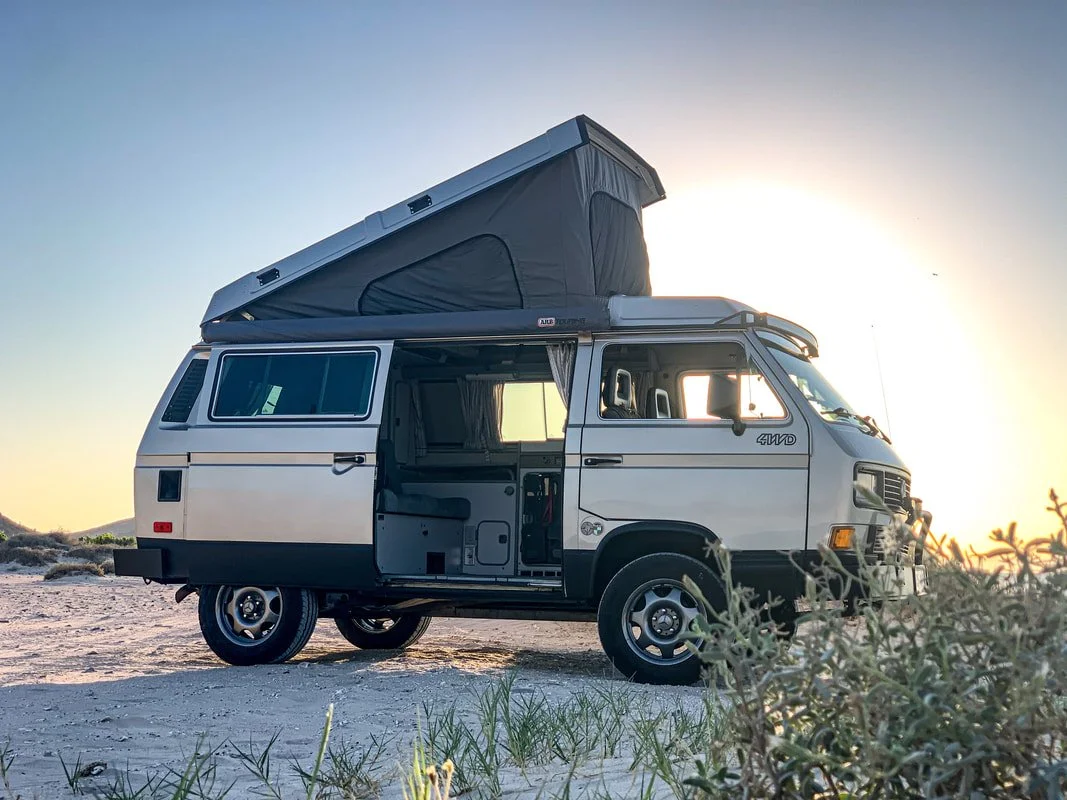
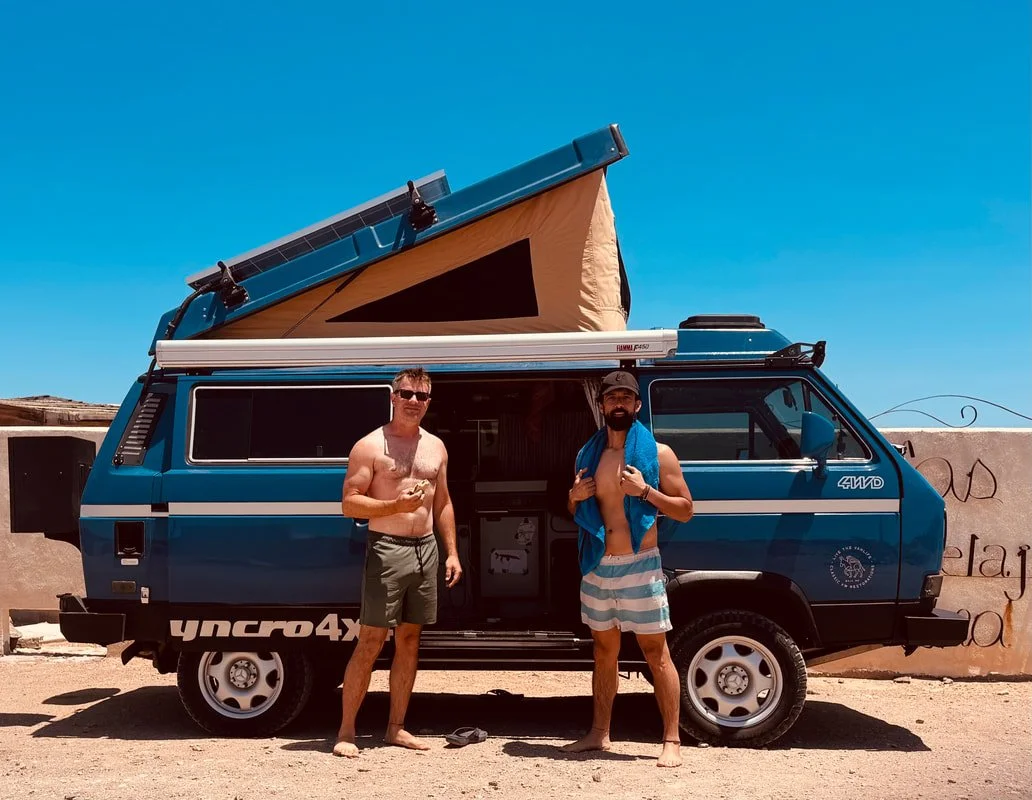
The enjoyable version of this plan is a focused workshop visit and a separate, flexible trip. At collection, allow time to review the work and, where practical, one to three days of local driving before heading farther away. A newly painted van may still have older components outside the work you commissioned.
Our off-grid, solar-powered workshop is based in La Paz, close to the airport. The location gives you a practical place to return to and a memorable starting point for the next journey. Explore Baja itineraries once the collection appointment is confirmed.
06 / Choosing with confidence
When Mexico makes the strongest case.
A particularly good fit
- You plan to keep the van and want meaningful bodywork, paint, or interior improvements.
- You can leave it for an extended, flexible period.
- You value a Volkswagen-focused workshop and direct English communication.
- The complete estimate leaves a worthwhile advantage after travel and logistics.
- You would enjoy combining collection with a future Baja trip.
When a local shop may suit you
- The job is small enough that travel consumes the potential saving.
- You need the van every day or have a fixed near-term deadline.
- Frequent in-person visits are essential to you.
- You need a specialist service outside our available scope.
- Returning to La Paz for warranty work would be impractical.
Distance deserves planning, but it does not have to rule out the project. For owners facing a substantial restoration, a well-organized Mexico option can turn “someday” into a practical plan. Choose on documented work, communication, and the complete budget.
07 / Common questions
What owners ask before heading south.
Is restoring a Vanagon in Mexico cheaper?
It can be, particularly for labor-intensive bodywork, paint preparation, and upholstery. Compare matching written scopes and add transport, travel, delivered parts, insurance, taxes, and other costs before deciding. There is no single savings percentage for every van.
Does US$9,995 cover a complete restoration?
No. It is our published starting point for basic exterior paint and bodywork retaining the original color. Replacement parts, extensive repairs, color changes, mechanical work, and interiors depend on the agreed estimate.
Are parts cheaper in Mexico?
Not necessarily. Many specialist Vanagon parts are imported and can cost more to obtain here. The main opportunity is labor. Confirm fitment and sourcing before purchasing or shipping parts.
Can I stay in La Paz until the restoration is finished?
We recommend returning home or traveling independently between drop-off and confirmed collection. Waiting locally can become costly and does not shorten the required work. Keep return arrangements flexible.
What happens if hidden rust appears?
We explain the finding, proposed work, and effect on cost and timing, and seek authorization for additional work. Photos cannot reveal everything. Tell us about a firm spending limit and retain a reserve for discoveries.
How does aftercare work when I live in the U.S.?
Review the written warranty and process before agreeing to the project. Our La Paz workshop is the normal location for warranty work. Contact us promptly about concerns and obtain written authorization before assuming work elsewhere will be reimbursed.
Your van has more places to go.
Find out what your restoration could look like in Mexico.
Send us your van’s year and model, where it is, photos of its condition, and the work you want to prioritize. We will help you start a realistic conversation about scope, budget, and getting it to La Paz.
Request your free restoration estimate →
Explore colors in the Virtual Workshop · See our work and customer stories
Sources & further reading
Published October 22, 2026. Starting prices and guidance can change; your current written estimate and the relevant authorities govern your arrangements.
- LiveTheVanLife paint and bodywork: starting price, process, materials, and planning allowance.
- Restoration FAQs and vehicle transport guide: parts, communication, collection, and transport context.
- Hillbank’s classic-car cost overview: general U.S. labor-rate context, not a Vanagon-specific quotation.
- U.S. Embassy: Driving to Mexico and Mexico travel advisory: entry, driving, insurance, and current route planning.
- U.S. Customs and Border Protection: Importing a Motor Vehicle: returning vehicles and declaring overseas repairs.
All photographs are from LiveTheVanLife’s existing project and customer galleries. Original diagrams by LiveTheVanLife. Photos show separate projects and are not a specification or price promise.
